



|
|
|
|
by Editor Lourens Durand
Edited and Published by Yvette Depaepe, the 23rd of September
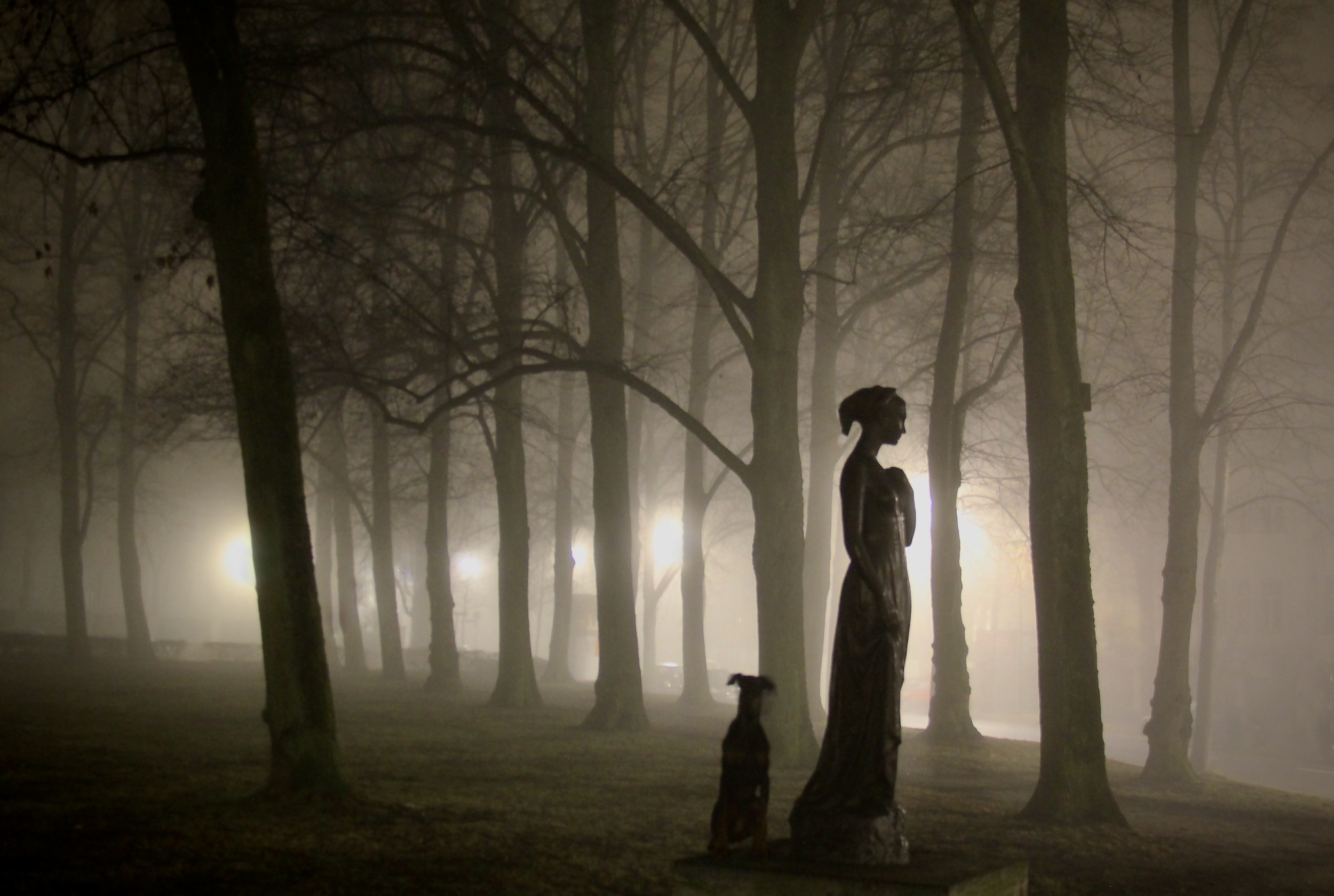
‘Romeo and Juliette’ by Veronika K Ko
"This late foggy evening, I was walking at a nearby park. I saw a running dog toward me and suddenly it sat next to Juliet sculpture. I had just few seconds to react, to grab my photo camera from my bag and to shoot quickly, before the dog to run back to its owner. Of course, it is not the perfect night foggy image but I love the mood here: Juliet and her "Romeo":) National Geographic published. National Geographic's " Unconditional dogs" contest winner.
The human brain perceives things as a whole, filling in missing information and gaps in an attempt to achieve closure. This concept was first recognised in the early 20th century by a group of psychologists in their Gestalt theory, which proposed that the whole is greater than the sum of its parts. It has since become an important concept in the composition of art and photography.
Even though a photo of a favourite object may be significant to you, evoking memories or feelings and relating to events, as a work of art it lacks composition and may appear incomplete. To get your message across, you need to consider your composition, combining a number of different objects, using creative lighting or a clever colour scheme.
When we look at a composition of several objects, we see the whole, but the specific way the individual parts are arranged influences our interpretation of the whole.
For example, photographs containing three or five elements appear balanced because the eyes and brain tend to focus on the centre of a group. If they cannot find it, the photo appears unbalanced.
In addition, the human eye — and therefore the brain's interpretation — is drawn into visual art by leading lines. We therefore need to incorporate these lines into the number of objects, as well as the shape and composition of the subjects.
These lines can be found in features such as roads and paths, as well as colours, light and shade, and are usually found moving from left to right. These lines can also be used to create the illusion of depth.
One special type of leading line is the S curve (or even the C curve, which is half an S). These meandering lines help to create a soothing, unhurried mood.
An L-shaped composition along the line of thirds is particularly attractive, as it combines the dignity, height and strength of the vertical line with the calmness and tranquillity of the horizontal line. This composition is often used in landscapes to depict peace and serenity.
The V shape is commonly used in landscape photography to create the illusion of depth, with a backdrop of distant mountains forming the 'V'. Taking this idea further, one of the most powerful compositional elements is the triangle, which represents strength and stability. This can be repeated throughout the image.
All of these are covered by Gestalt theory. It is important to note that, in each case, the human eye and brain tend not to see each point in the composition individually, but rather as a whole. They fill in missing information and gaps in an attempt to achieve closure, meaning that shapes can often be inferred.
Although the whole is greater than the sum of its parts, and this has become a key compositional factor, it is important to focus on the whole and use the fewest possible parts to convey the message.
Lourens Durand
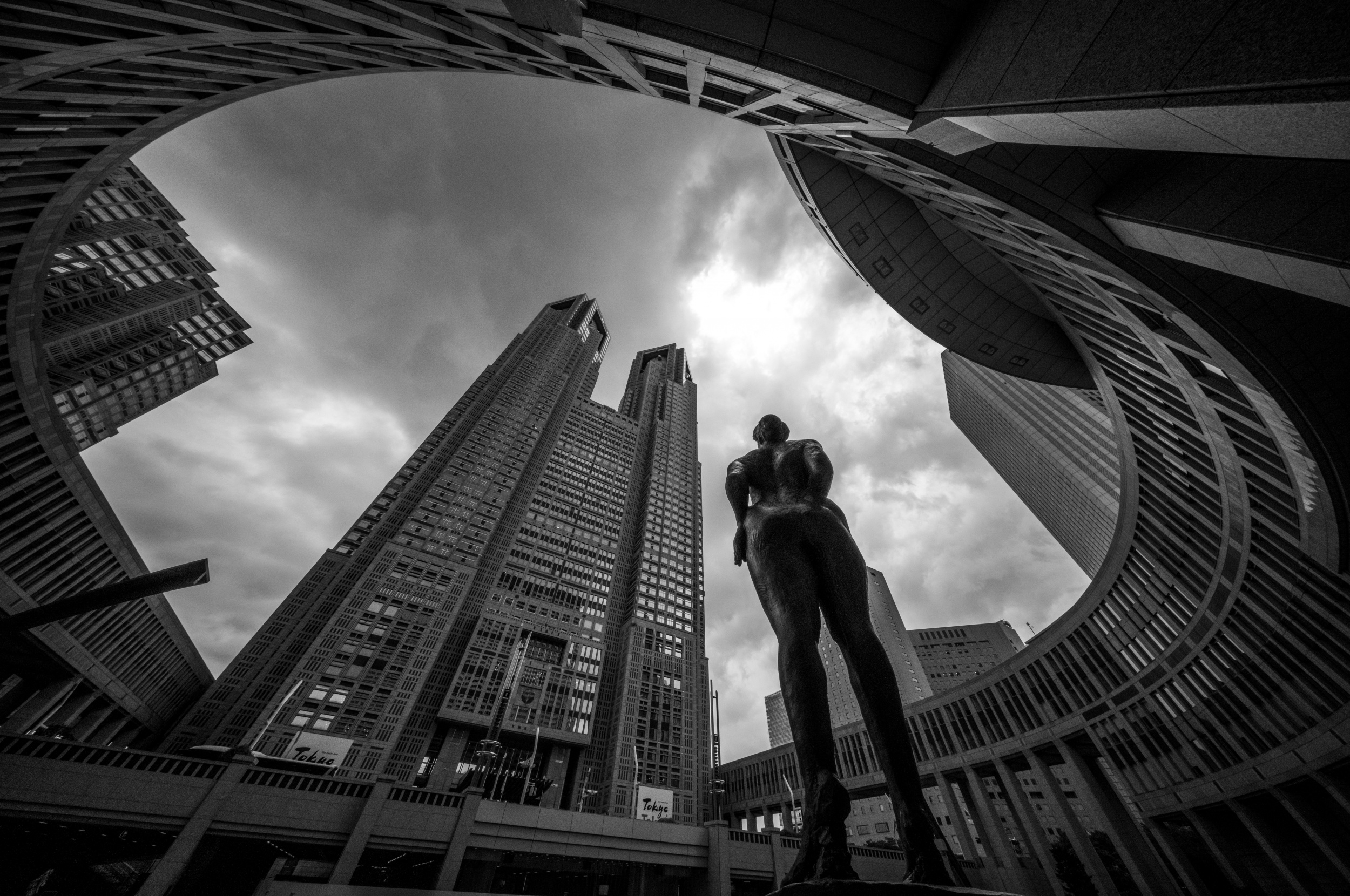
‘Tokyo Metropolitan Government Build’ by Masahiro Suzuki
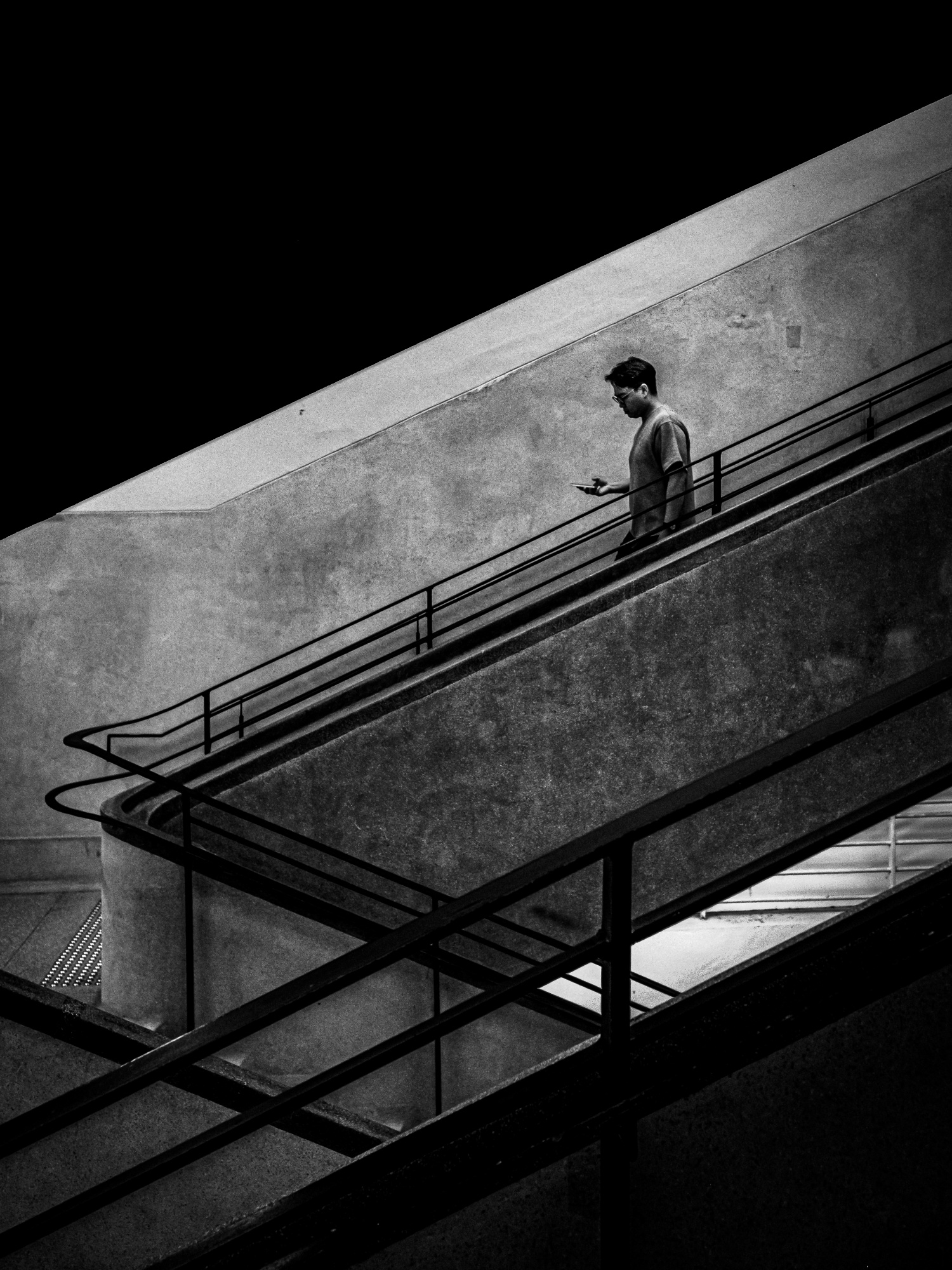
‘Central Market Staircase II’ by Bertrand RENAUD
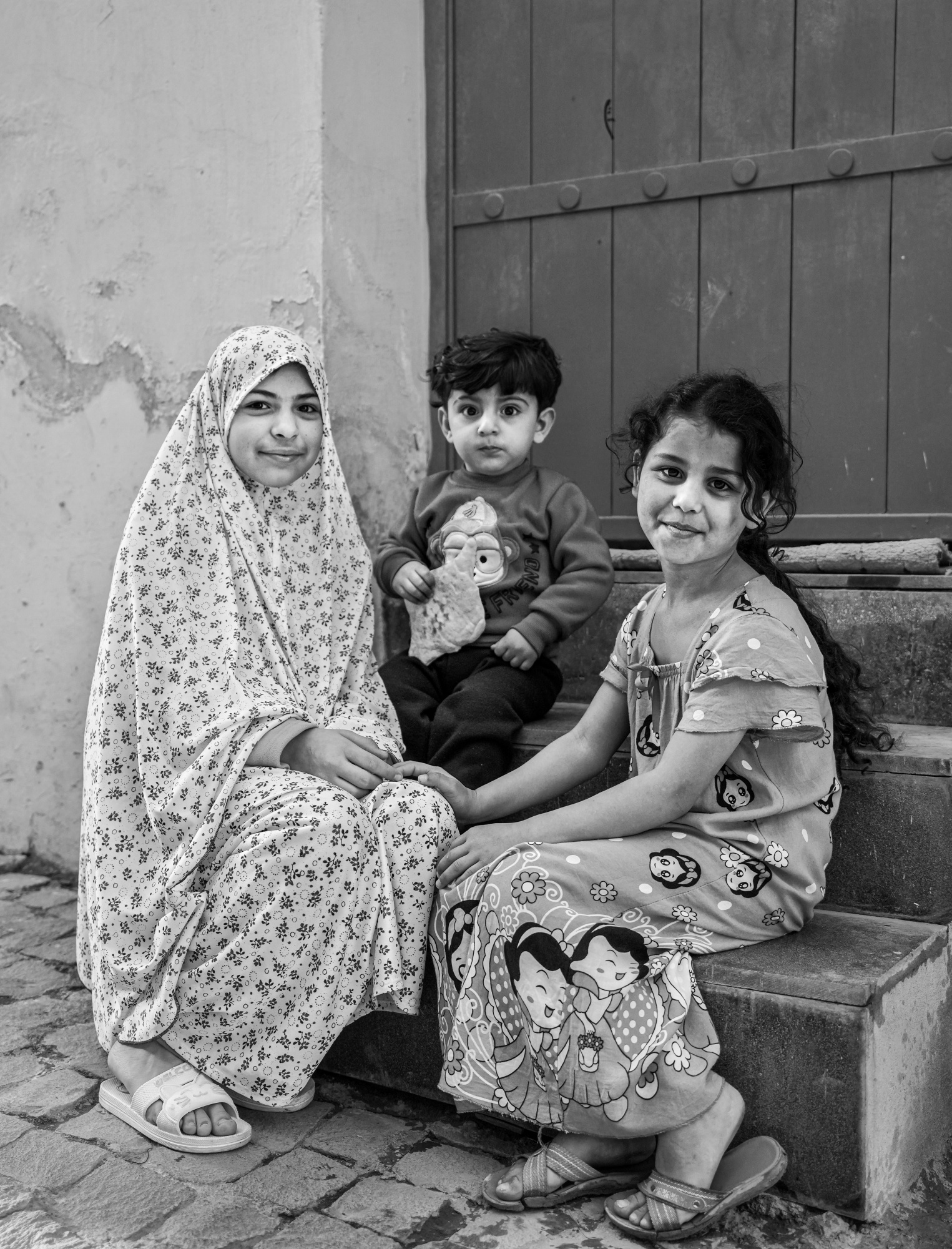
‘Friends’ by Bashar Alsofey
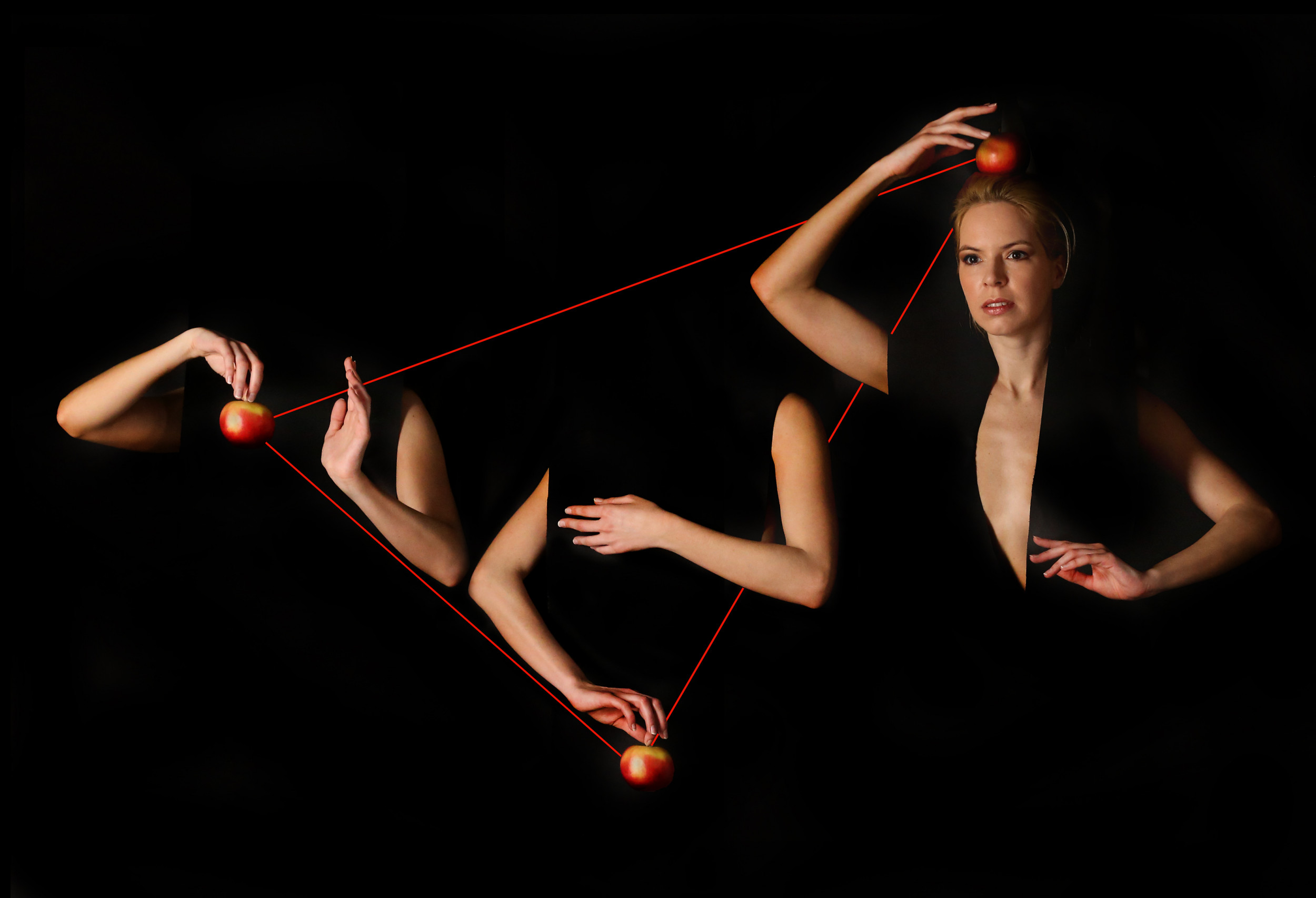
‘Apple Vectors’ by Peter Aczel
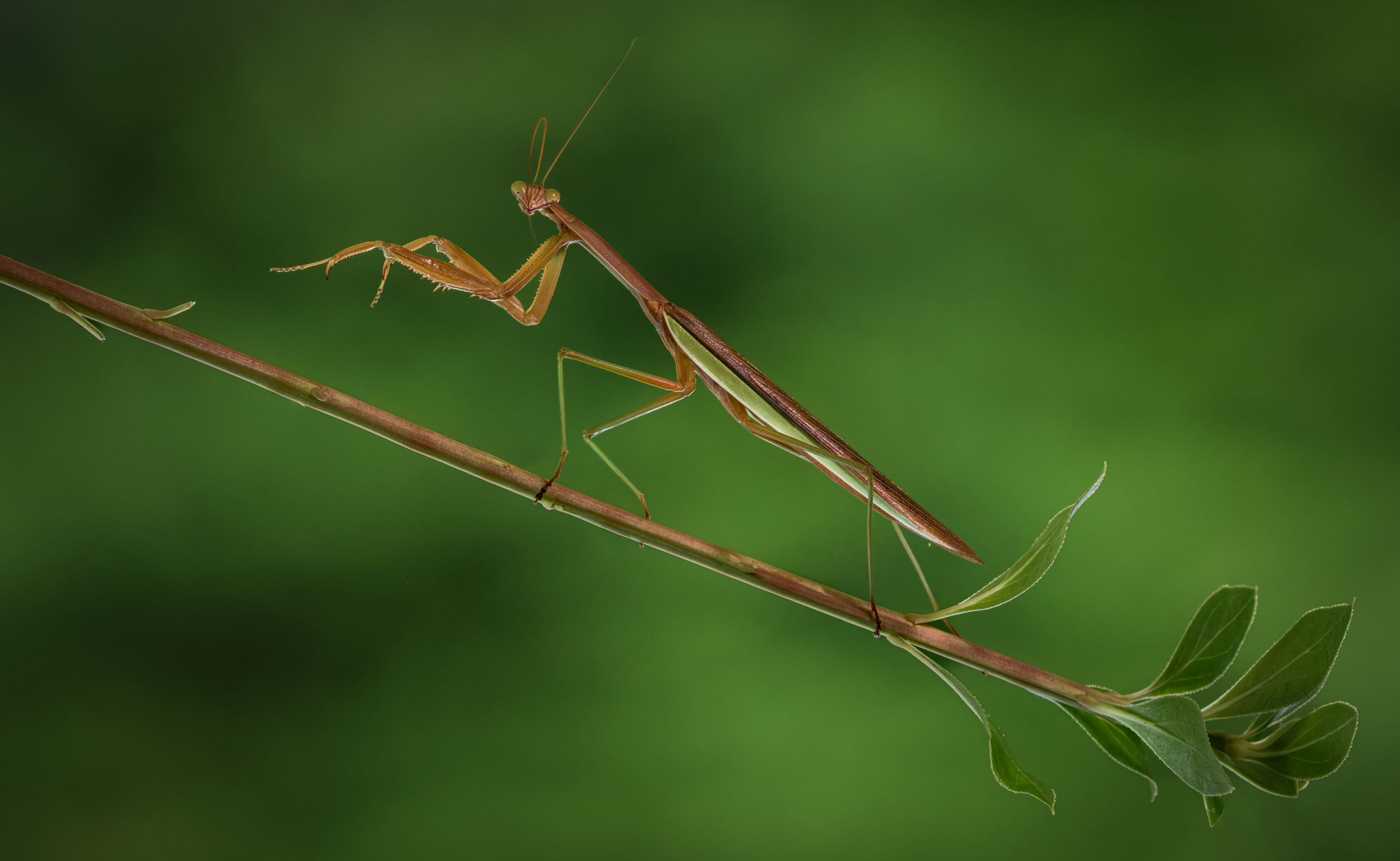
‘The art of escaping’ by Atul Saluja
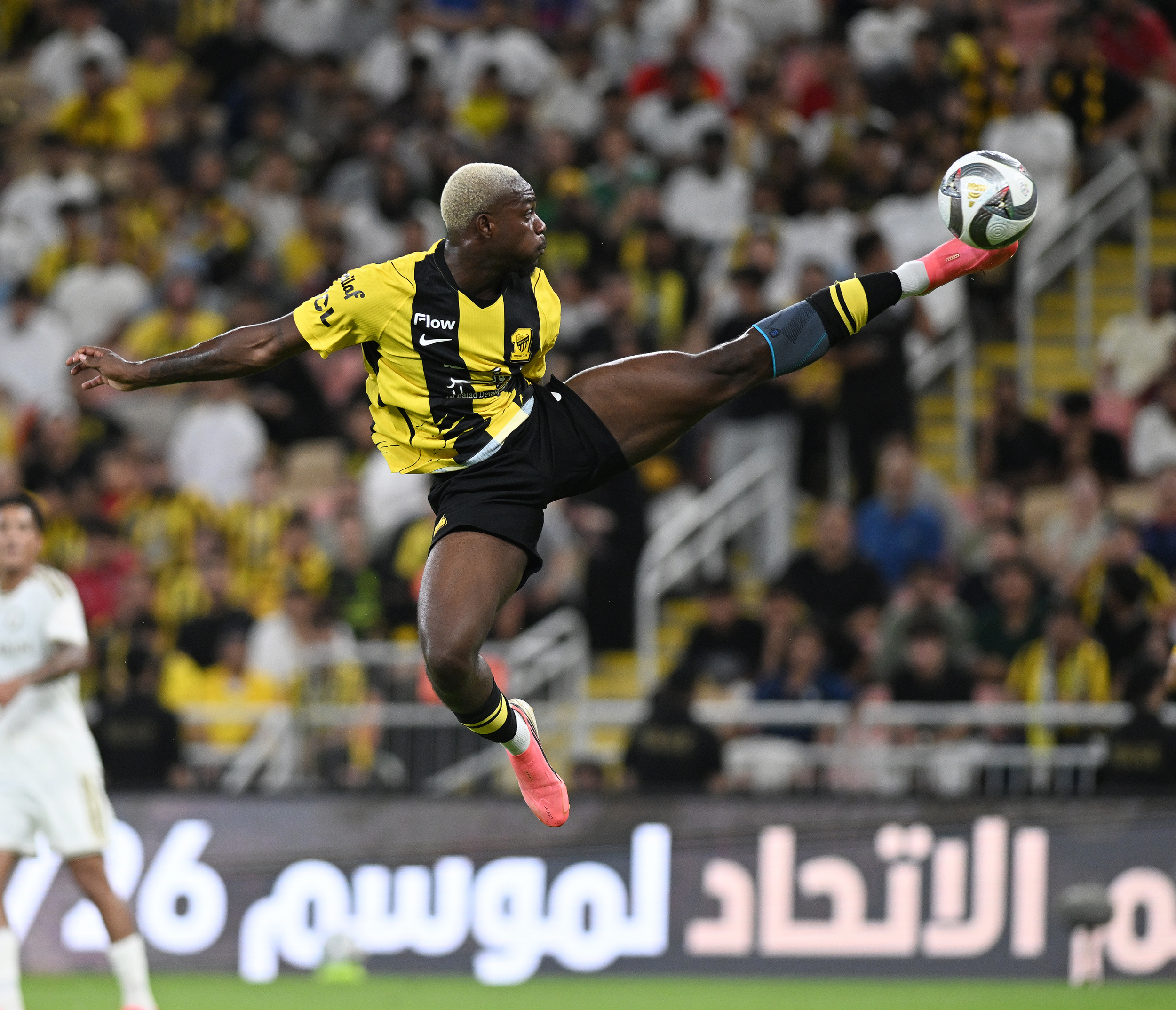
‘Control’ by Osama Alsulami
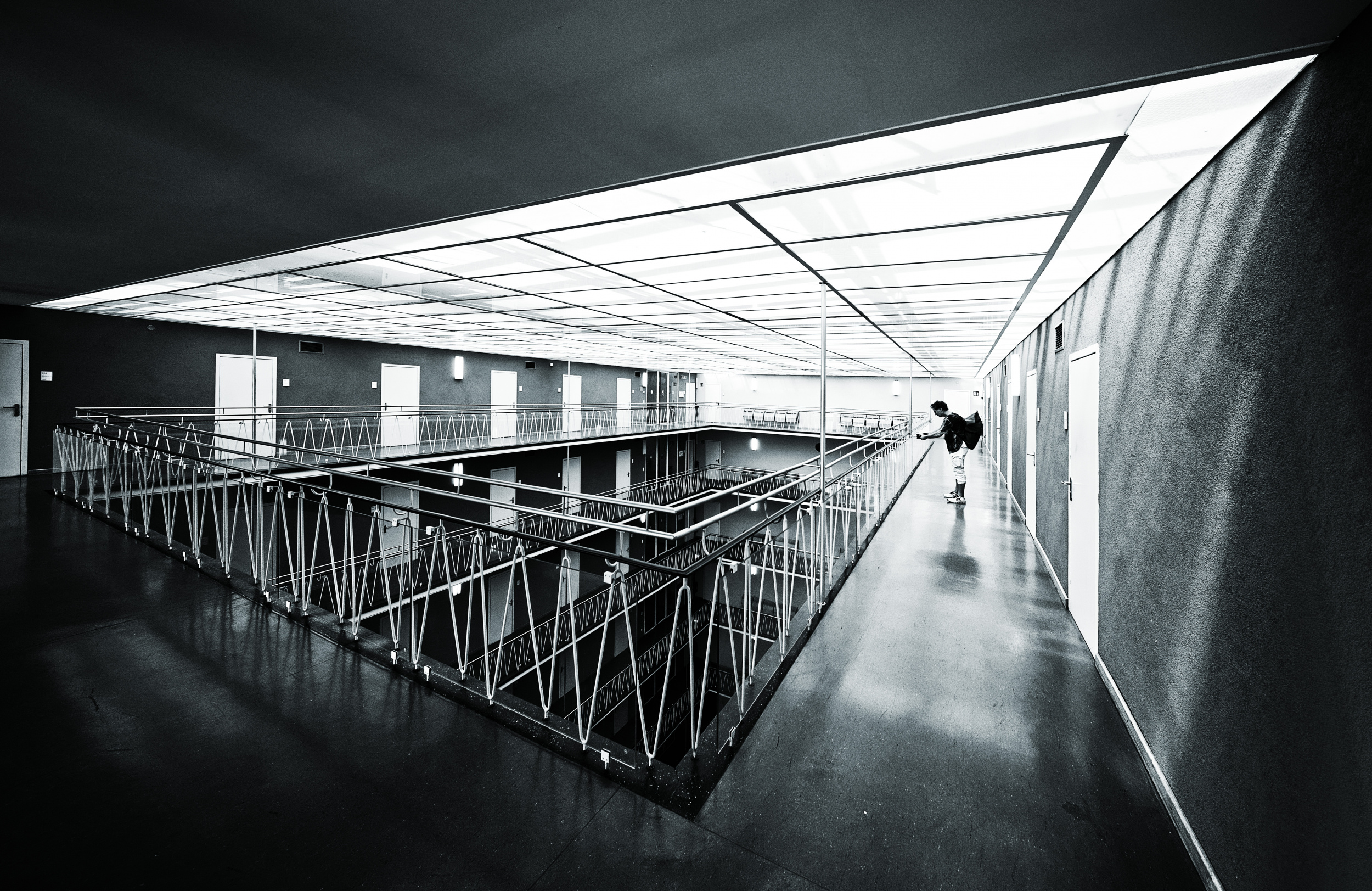
‘The Photographer’ by Erhard Batzdorf
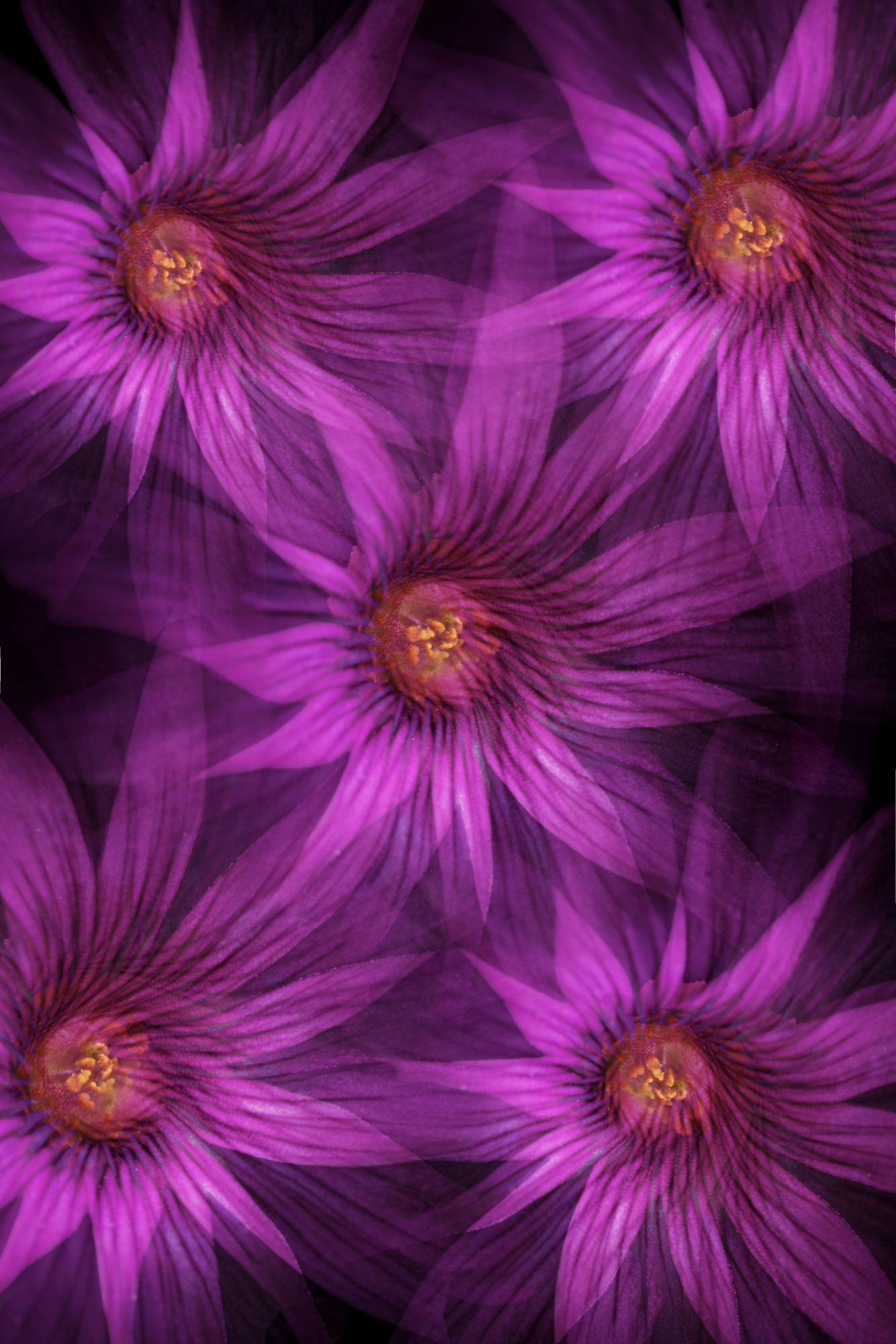
‘Deep Inside’ by Cicek Kiral
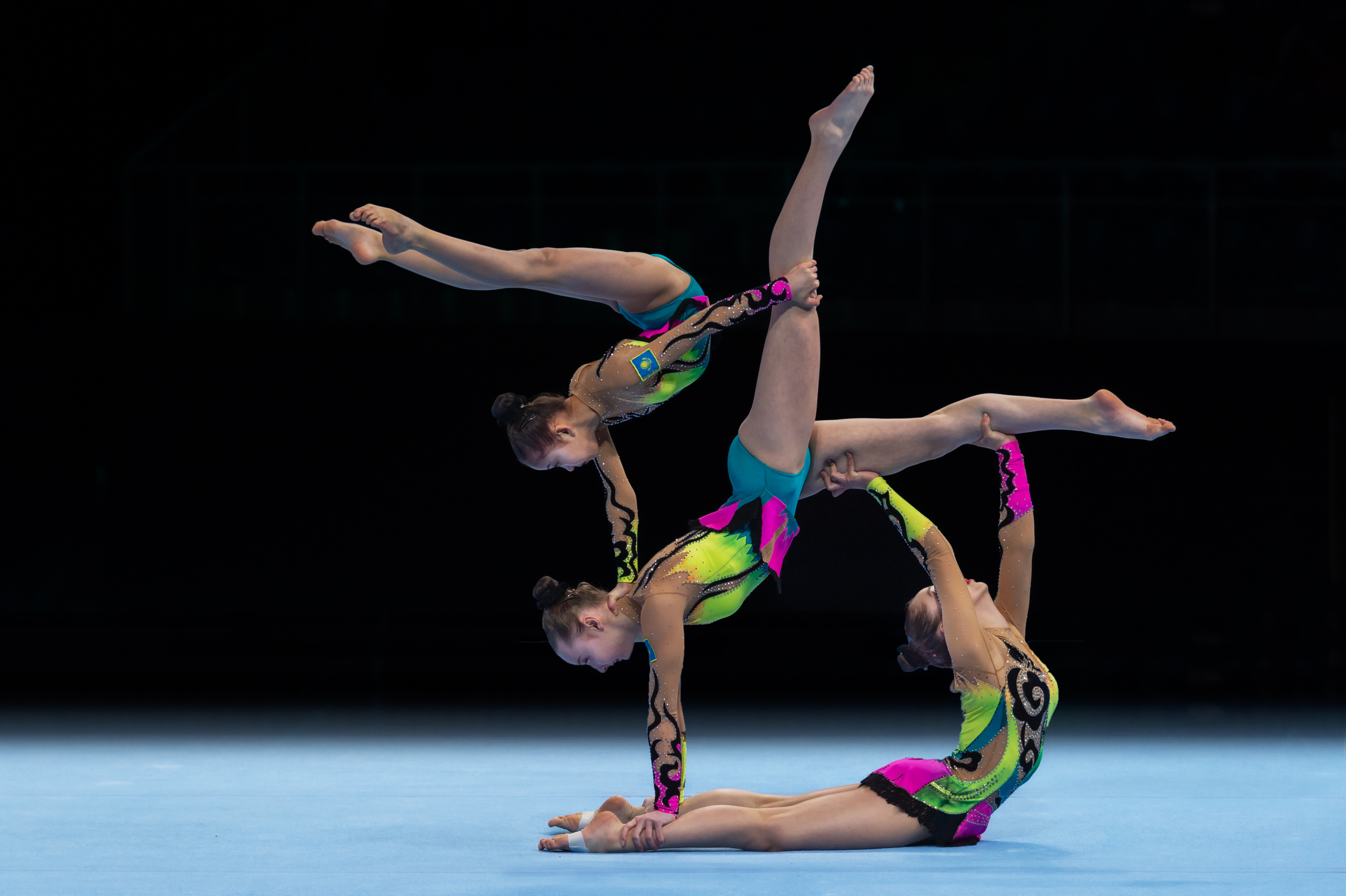
‘Color trio’ by Els Keurlinckx
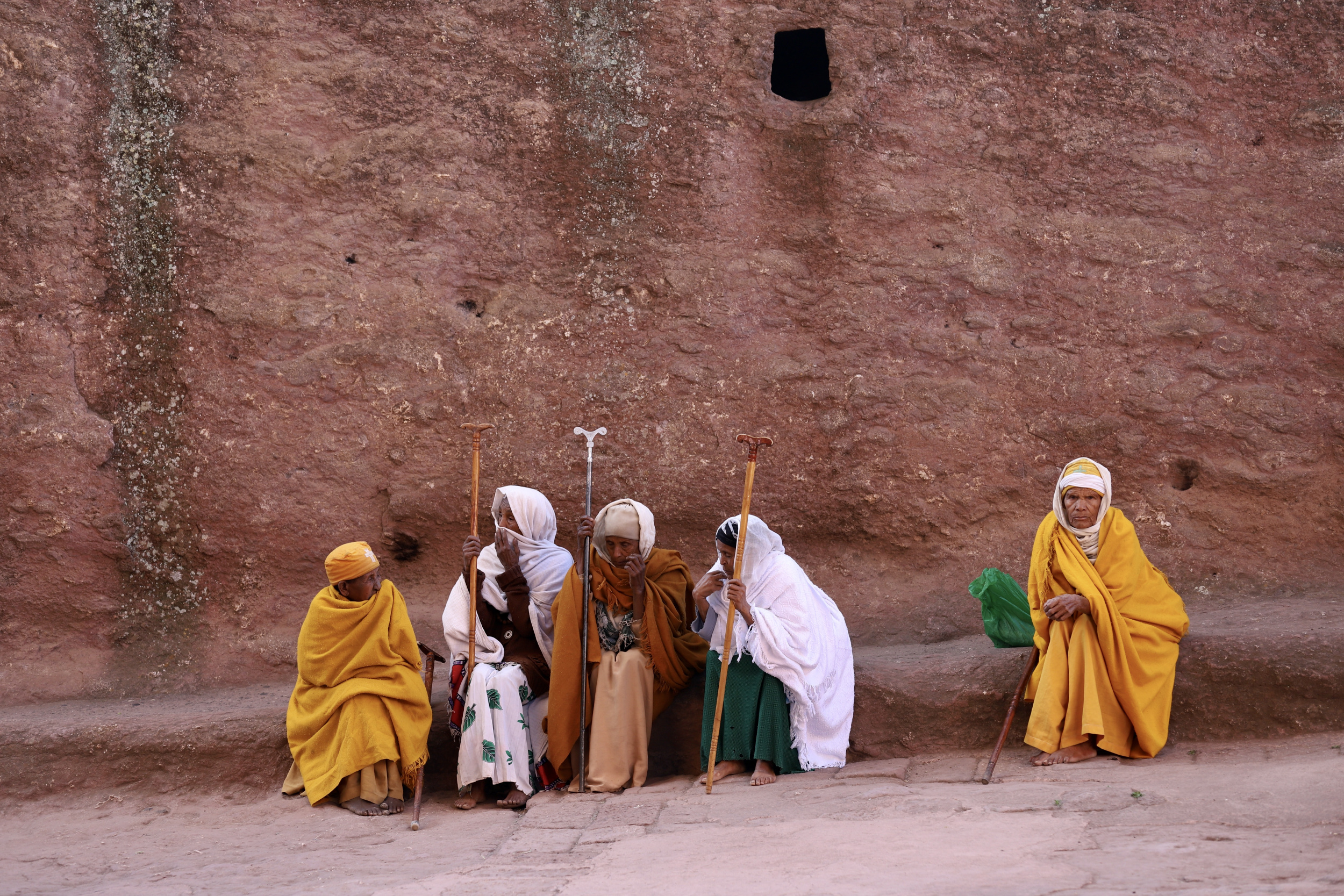
‘Rock Hewn Churches in Lalibela’ by Ralf Zimmermann
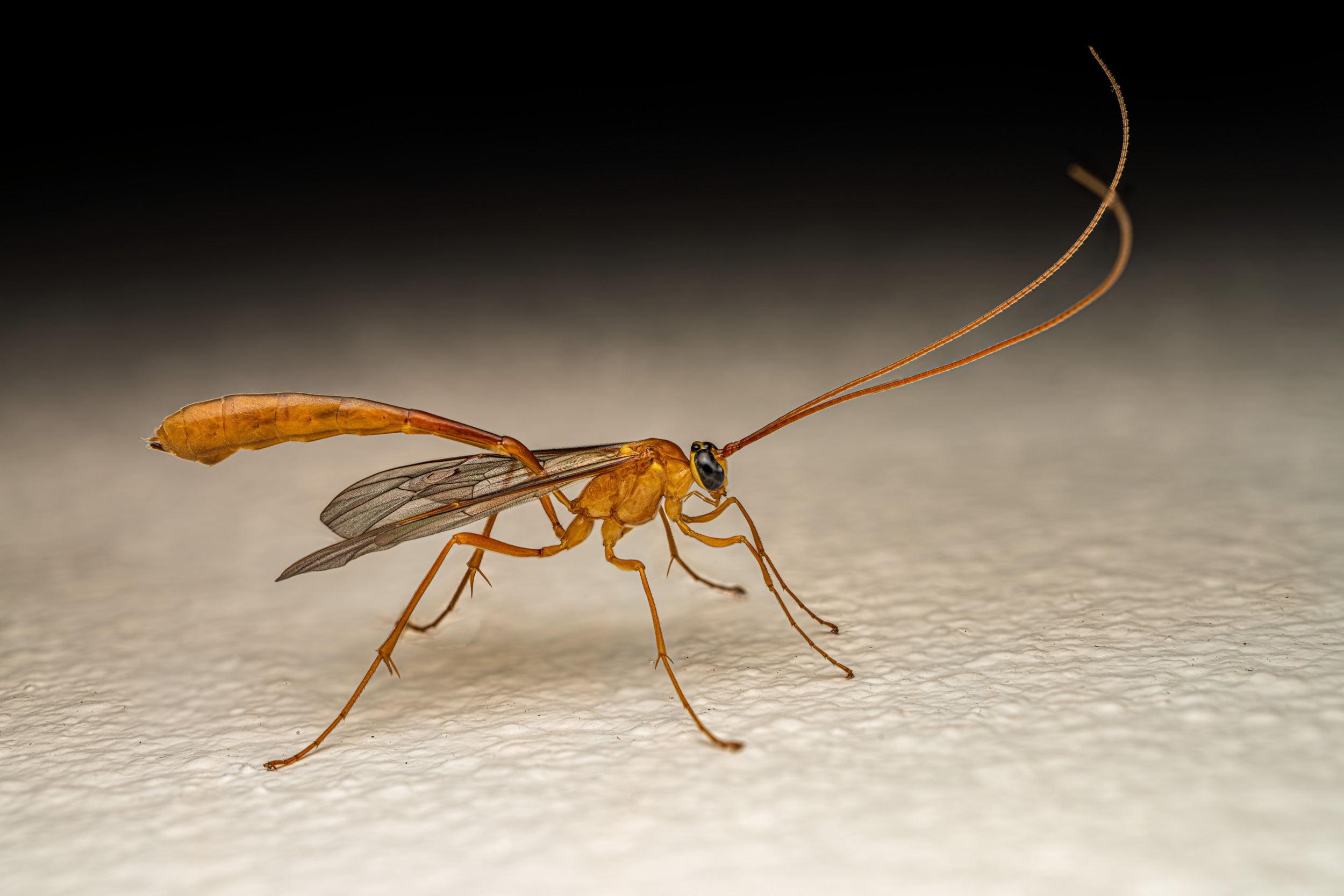
‘Netelia Tryphoninae/Parasitic wasps’ by Andre J Fjørtoft
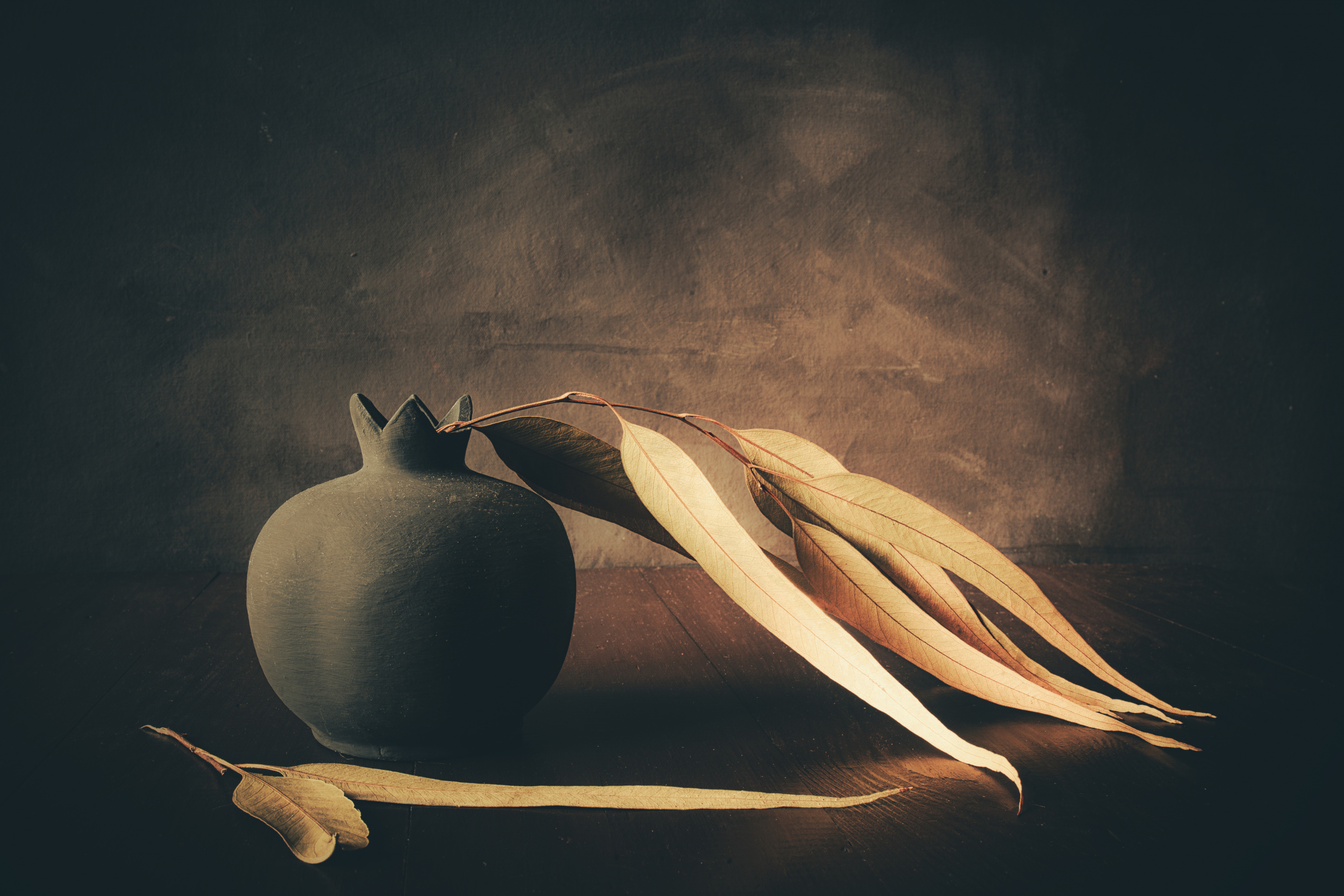
‘The Weight of Autumn’ by Cicek Kiral
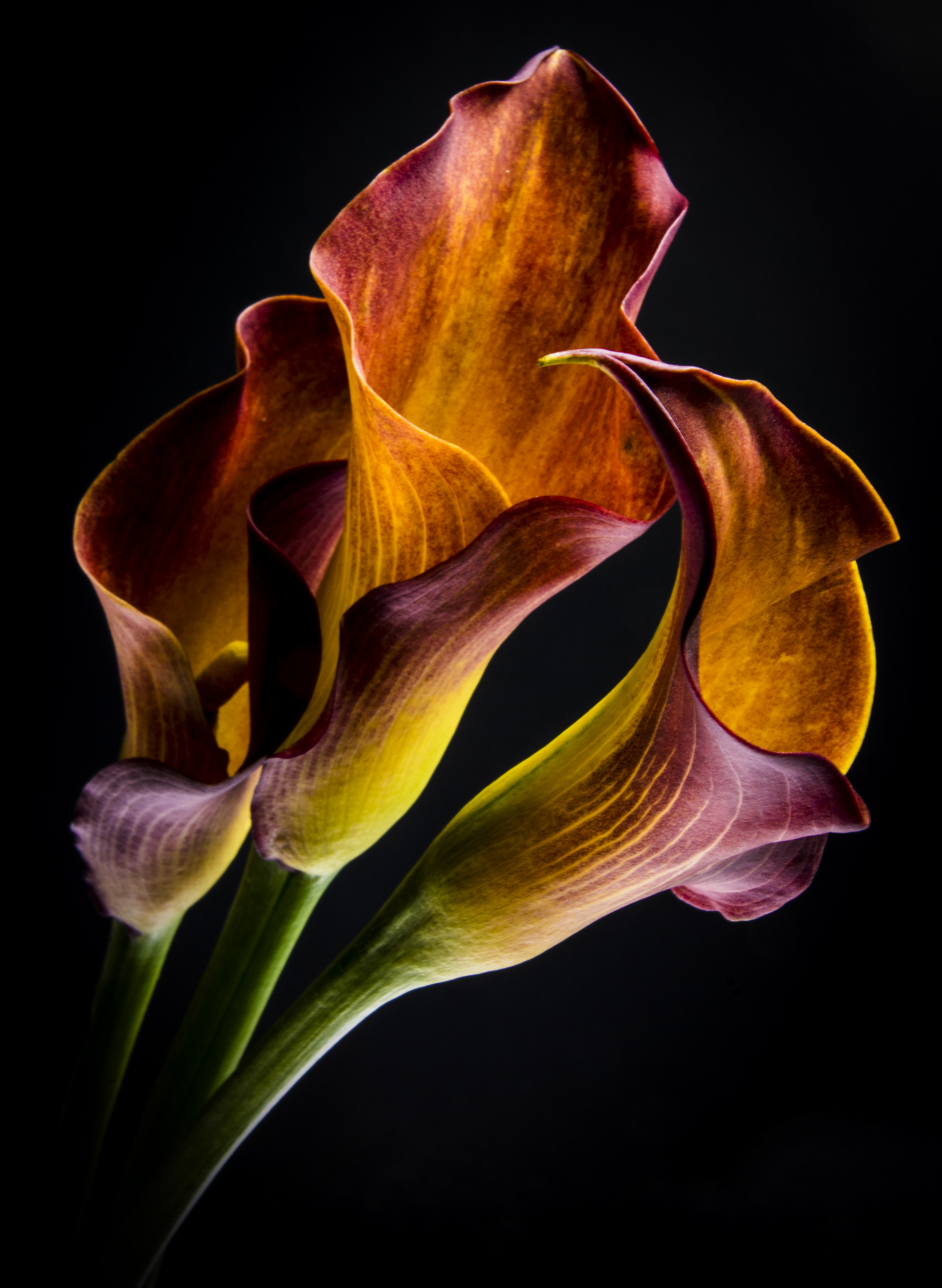
‘Three Orchids’ by Scott
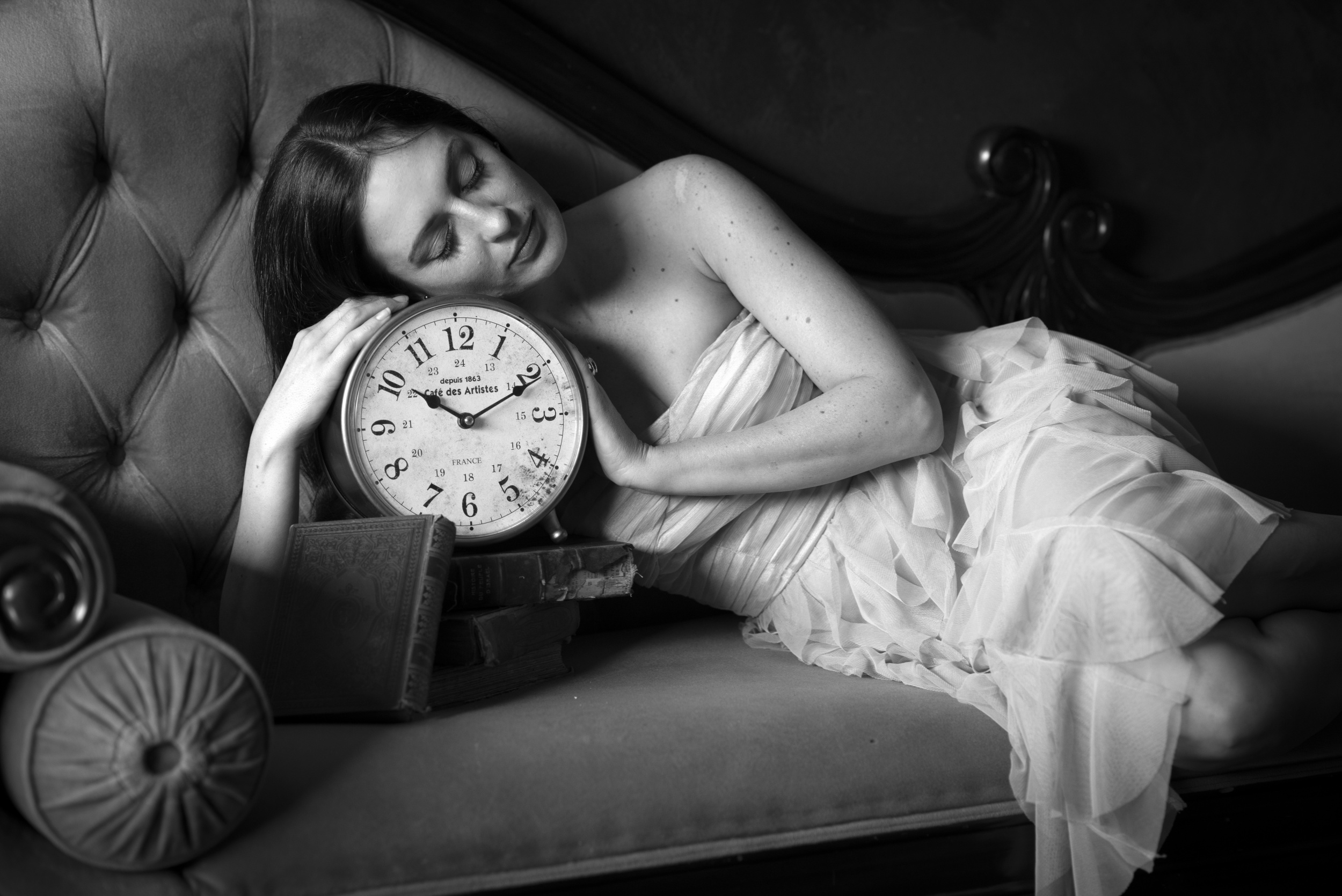
‘Natalya9777’ by Shuki Laufer
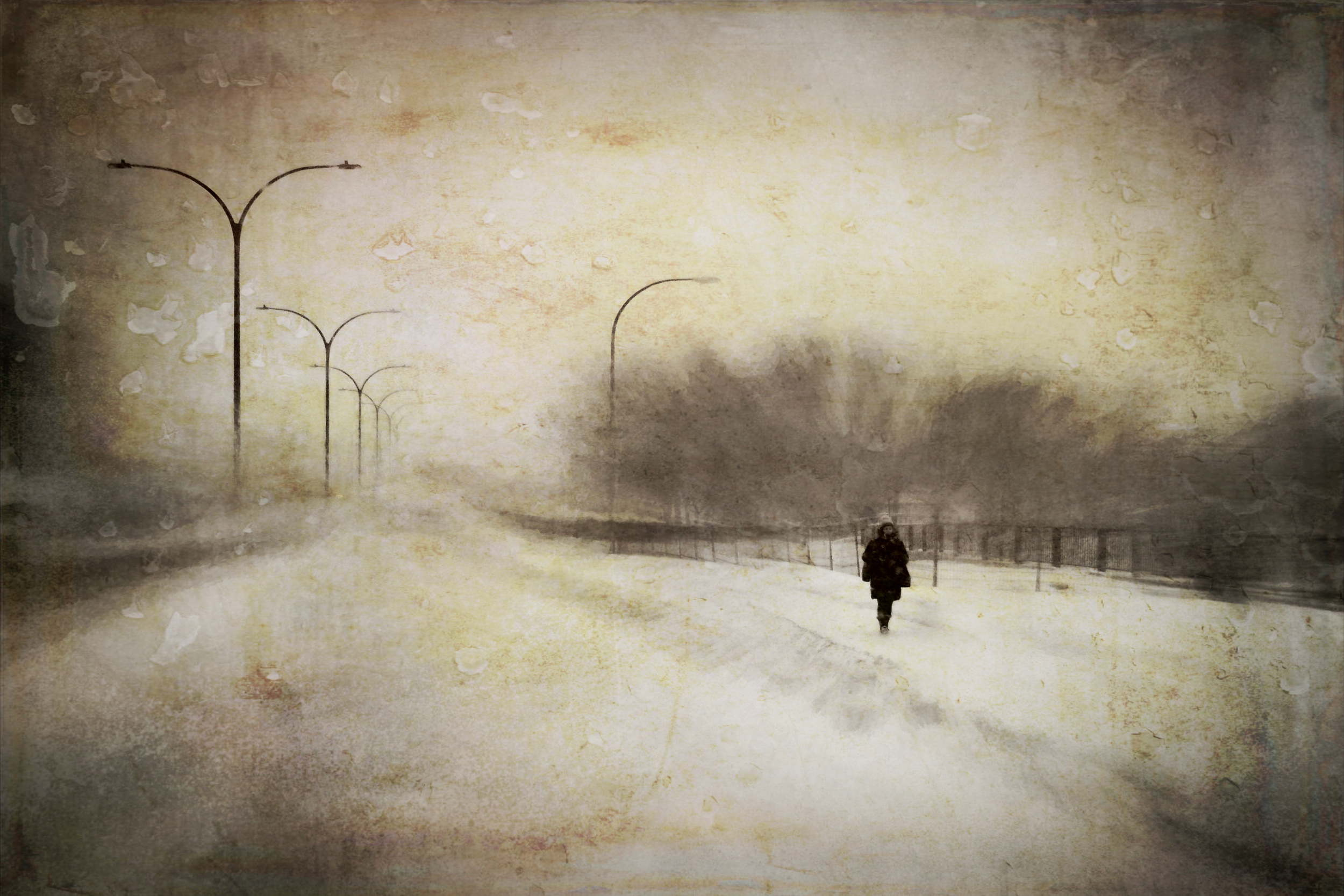
‘Solitude’ by Daniel Castonguay
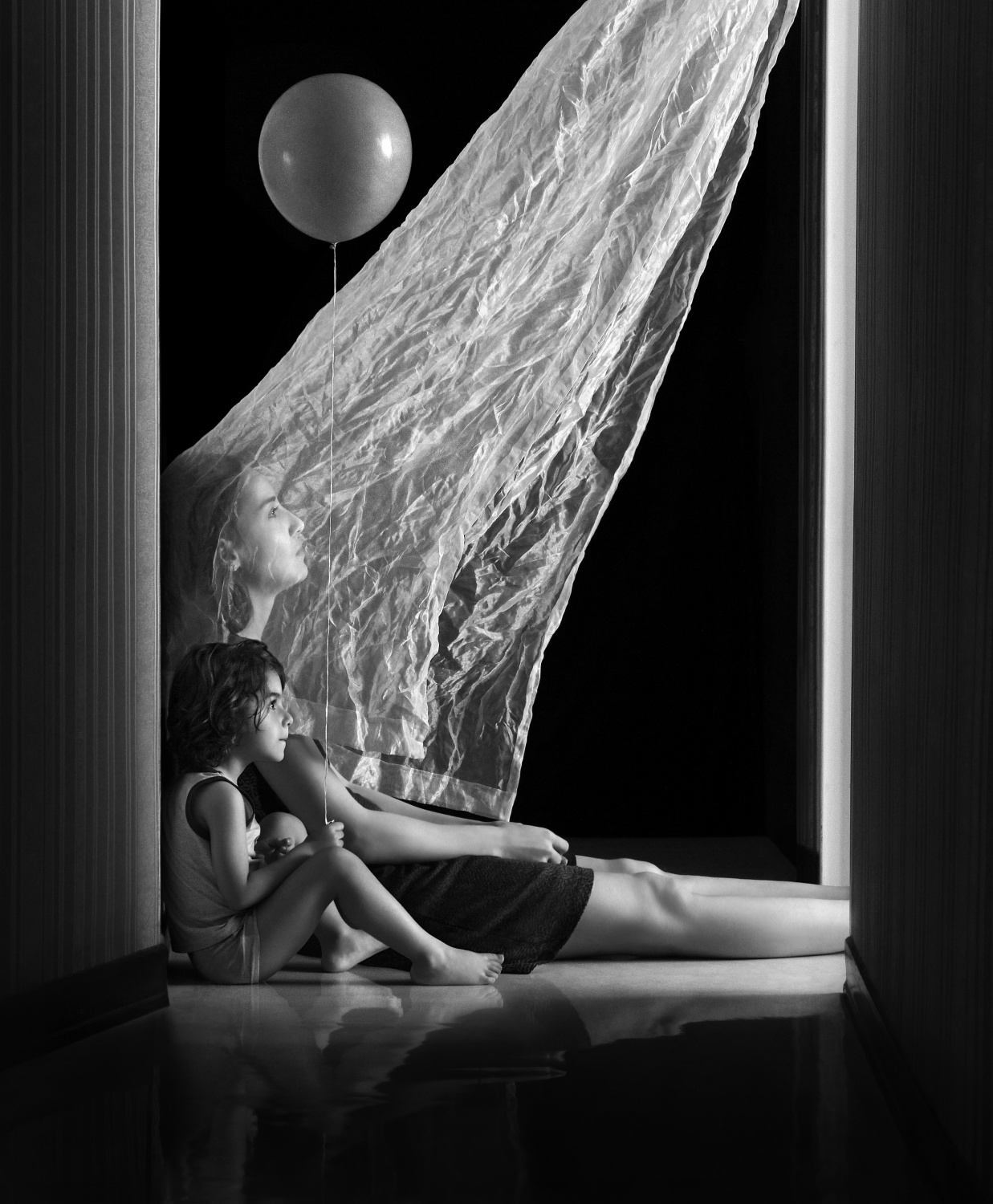
‘Mom and son’ by Maryam sadat Ahmadi
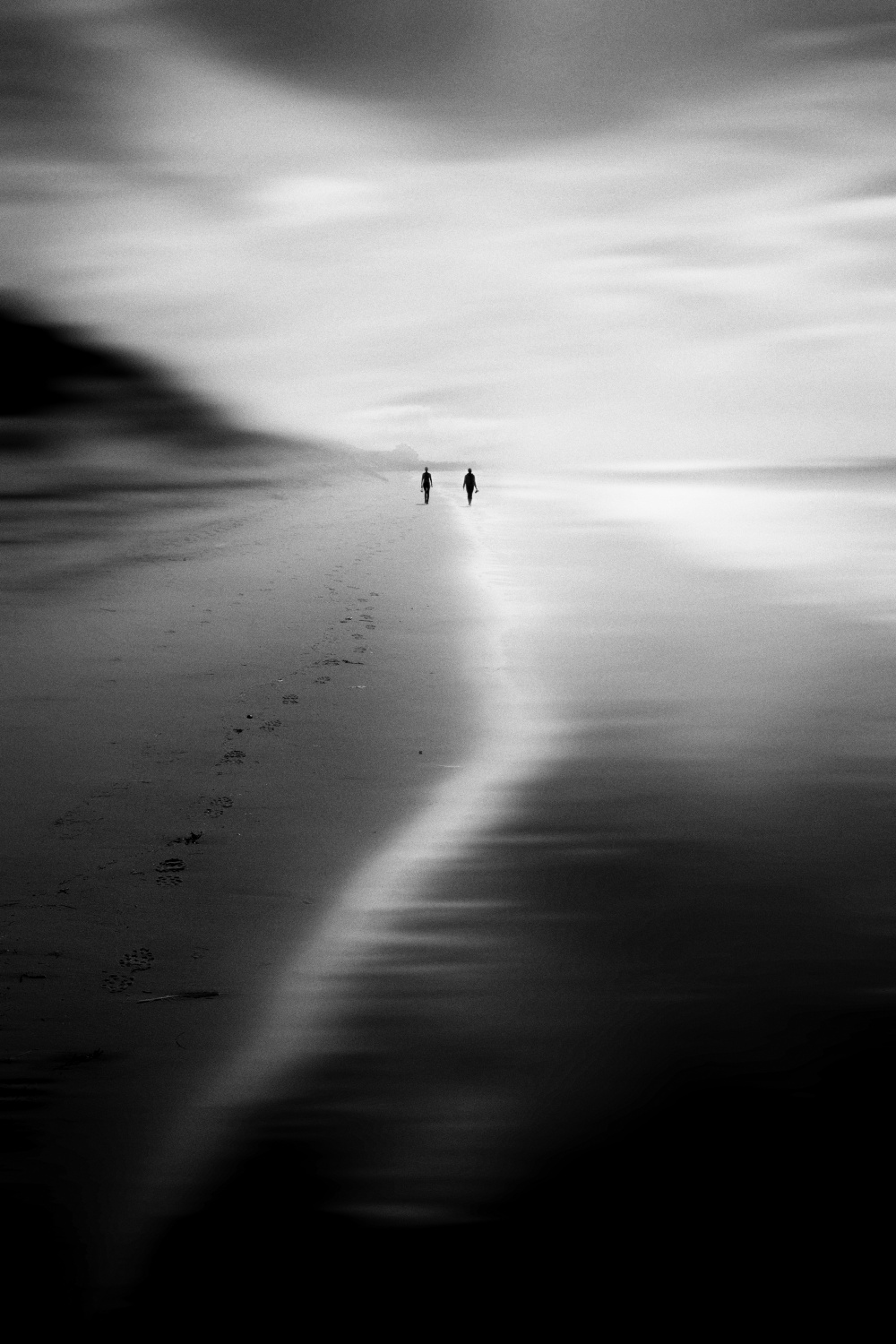
‘Une vie à deux’ by Eric Drigny

‘Rays of Storr’ by Gary Howells
 | Write |
 | Els Keurlinckx PRO Thank you for using one of my images in your very interesting and informative article. |
 | Jane Lyons CREW Very informative article, Lourens. Thank you. |
 | Bashar Alsofey PRO Thank you for featuring one of my photographs in your important and useful article. I was delighted to be included alongside other members in this wonderful piece.
Bashar. |
 | Cicek Kiral CREW Dear editors, @Lourens Durand and @Yvette Depaepe thank you for this informative and expository article on composition and how our brains interpret the information in an image. I am more than glad to be part of this article. I wish I had had these insights presented this way when I started photography. Thanks once more....Cicek |